
Full Service Design
STUDIO309 offers phased design support for larger residential, commercial, hospitality, healthcare, wellness, and special projects.
The right level of support depends on where the project is in the decision process. Some clients need early clarity before committing to a larger scope. Some need the interior resolved within an architectural framework that is already established. Others need the architecture and interior experience shaped together from the beginning.
Each project pathway is structured to bring clarity to complex spatial decisions before they become difficult or costly to change.
-
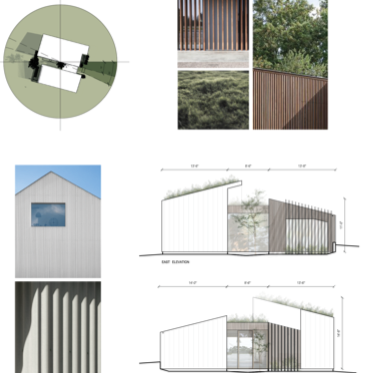
Preliminary Planning + Partial Scope
Support for clients who need early design clarity before committing to a full scope project.
Preliminary Planning + Partial Scope is suited to projects where the direction, feasibility, or scope needs to be tested before larger design, construction, or investment decisions are made.
This may include comparing one level and two level options, reviewing spatial layouts, exploring architectural or interior direction, or understanding what level of design support the project may require.Best For
Homeowners, business owners, developers, or project teams who need professional guidance before making larger design, construction, or investment decisions. This service is especially useful when the project has potential, but the direction, scope, priorities, or next steps are not yet fully clear.
Process
Partial Scope Design follows S309’s phased methodology, allowing clients to move through one phase at a time based on the needs of the project.Outcome
A clearer understanding of the project direction, feasibility, priorities, opportunities, and recommended next steps before moving into larger design or construction commitments. -
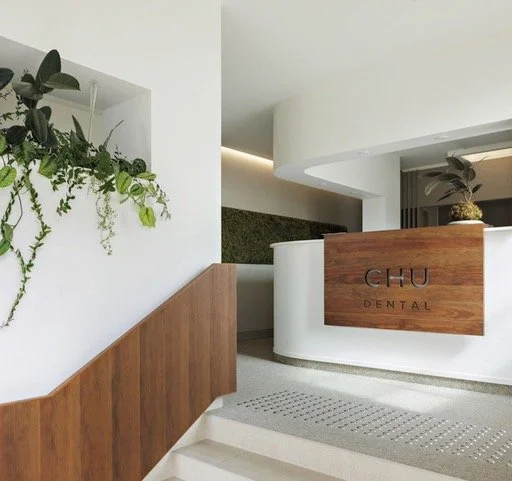
Full Scope Interior Design
A comprehensive design service for projects where the architectural framework is already established, but the interior still needs to be resolved as a whole rather than as a series of independent decisions.
This service guides the project from early planning through detailed design and construction support, coordinating decisions across layout, materials, lighting, millwork, furnishings, documentation, and construction.
Full Scope Interior Design is best suited to renovations, additions, tenant improvements, and new builds where the interior requires strong direction across planning, materials, lighting, millwork, documentation, and construction coordination.
Best For
Homeowners, business owners, developers, or project teams undertaking a larger residential, commercial, hospitality, healthcare, wellness, or special project where the overall experience, function, and long term cohesion of the space matter.
Process
Full Scope Interior Design follows a phased process from early strategy through design development, documentation, coordination, and construction support.Outcome
A highly considered space that feels calm, functional, aligned, and deeply resolved, not only in how it looks, but in how it supports daily life over time. -
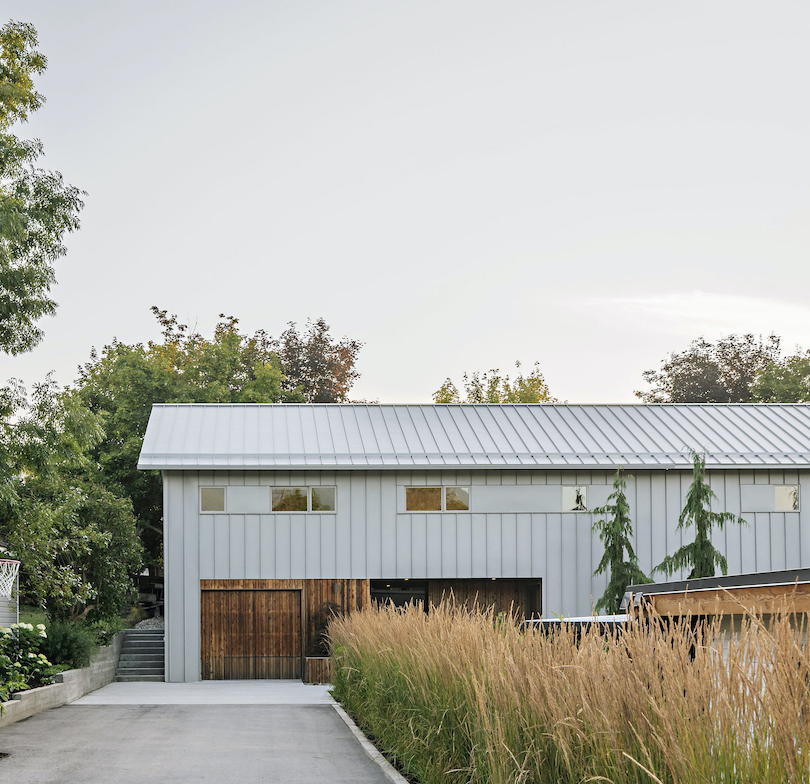
Full Scope Architectural Interior Design
A comprehensive design service for projects where architectural direction and interior experience need to be developed together.
This service helps shape the architectural framework earlier in the process so the architecture and interior experience are developed together rather than separately.
Full Scope Architectural Interior Design is best suited to projects where interior experience affects spatial layout, built form, openings, circulation, ceiling planes, natural light, millwork integration, coordination with architectural or technical consultants, and the long term cohesion of the space.
Best For
Homeowners, business owners, developers, or project teams undertaking a larger residential, commercial, hospitality, healthcare, wellness, or special project where the overall experience, function, and long term cohesion of the space matter from the beginning.This service is especially valuable when early decisions around layout, building form, window placement, views, circulation, ceiling heights, thresholds, and connection to landscape will directly shape how the space is lived in and experienced over time.
Process
Full Scope Architectural Interior Design follows a phased process that connects site understanding, spatial planning, architectural direction, interior development, coordination, documentation, and construction support.Outcome
A highly considered environment where architecture and interior experience work together seamlessly to support daily life, function, wellbeing, and long term connection to place.
Our Process
STUDIO309 follows a phased design approach to guide projects through a structured sequence of thinking, testing, refinement, coordination, and decision making before construction begins.
Each phase builds on the one before it. The process moves from early understanding and spatial strategy through to design development, documentation, coordination, and construction support. This allows decisions to be made at the right time, in the right order, with a clear understanding of how each choice affects the whole.
A strong project is not built from isolated decisions. Layout, light, materiality, acoustics, millwork, circulation, views, proportion, privacy, budget, and constructability all influence one another. When these decisions are made separately, the result can feel fragmented, even if each individual choice is well considered.
The phased process protects the integrity of the project by giving each layer of the work a proper place.
Early phases clarify the project goals, site conditions, functional needs, spatial opportunities, constraints, risks, and overall direction.
Middle phases test and refine the design through spatial relationships, material direction, lighting, millwork, furnishings, sensory experience, and technical coordination.
Later phases translate the design into documentation, specifications, consultant coordination, contractor communication, pricing support, and construction phase review where required.
Through the lens of environmental psychology and biophilic design, S309 considers not only how a space will look, but how it will be experienced over time. We look at how light moves through the space, where the body feels exposed or protected, how people orient themselves, how sound and material affect comfort, and how daily use will shape the life of the project.
This process helps reduce rushed decisions, avoid costly rework, improve coordination, and protect the design intent through construction.
The outcome is a project that feels more resolved, more cohesive, and more aligned with the people it is designed to support.
-
Partial Scope Design uses S309’s phased methodology as a way to clarify direction before the project moves into larger commitments.
This process does not assume the client is ready for full implementation. Instead, it allows the project to move through one phase at a time, based on what needs to be understood first.
The work may focus on feasibility, scope, spatial options, project risks, early design direction, or determining whether a larger design process is required.
This process is best when the project needs clarity before commitment.
1 Pre-Design
Establishes the site conditions, constraints, opportunities, and project requirements.2 Programming + Preliminary Design
Defines how the space needs to function, flow, and support daily use.3 Concept Development
Establishes the overall design direction, material language, and spatial character.4 Schematic Design
Translates the concept into a clear spatial and technical framework.
-
Full Scope Interior Design follows the full phased process once the architectural framework is already established.
The focus is on resolving the interior as a connected whole. This includes spatial flow, materiality, lighting, millwork, furnishings, documentation, specifications, coordination, and construction support.
The architecture may inform the work, but the primary focus is the interior environment and how each interior decision supports the experience, function, and cohesion of the space over time.
This process is best when the building framework is in place, but the interior still needs strong design direction and detailed resolution.
1 Pre-Design
Establishes the site conditions, constraints, opportunities, and project requirements.2 Programming + Preliminary Design
Defines how the space needs to function, flow, and support daily use.3 Concept Development
Establishes the overall design direction, material language, and spatial character.4 Schematic Design
Translates the concept into a clear spatial and technical framework.5 Design Development
Refines the approved design with greater detail, coordination, and material resolution.6 Construction Documentation
Prepares the drawings, schedules, details, and specifications required for construction.7 Construction Administration
Supports the construction phase through site coordination, clarification, and design intent review.
-
SFull Scope Architectural Interior Design begins earlier, when architectural direction and interior experience need to be developed together.
This process allows S309 to help shape spatial organization, circulation, openings, natural light, ceiling planes, views, thresholds, millwork integration, materiality, and the relationship between the building and its site.
Because these decisions often affect architectural, structural, code, building envelope, or permit requirements, S309 coordinates with the appropriate registered professionals where required.
This process is best when early architectural decisions will directly shape how the space is lived in, moved through, and experienced over time.
1 Pre-Design
Establishes the site conditions, opportunities, constraints, project goals, and overall project parameters.2 Programming + Preliminary Design
Defines how the space needs to function, flow, and support daily use.3 Concept Development
Establishes the overall architectural and interior design direction, spatial character, and material language.4 Schematic Design
Develops the spatial layout, architectural framework, and core design decisions into a coordinated design direction.5 Design Development
Refines the approved design with greater technical detail, material resolution, consultant coordination, and construction consideration.6 Construction Documentation
Prepares the drawings, schedules, details, and specifications required for pricing, permitting, and construction.7 Construction Administration
Supports the construction phase through site review, coordination, clarification, and design intent support.
Not sure where to begin?
Send us a brief note about where you are in the process, and we’ll guide you toward the clearest next step.
STUDIO309 is not a registered architecture firm. Where architectural, structural, building envelope, code, or permit requirements apply, STUDIO309 coordinates with the appropriate registered professionals as required