
Environmental Psychology
Our surroundings are never neutral
They influence how we move, how we gather, how we rest, how clearly we think, and how at ease we feel in our own bodies.
At STUDIO309, this understanding shapes every decision we make.
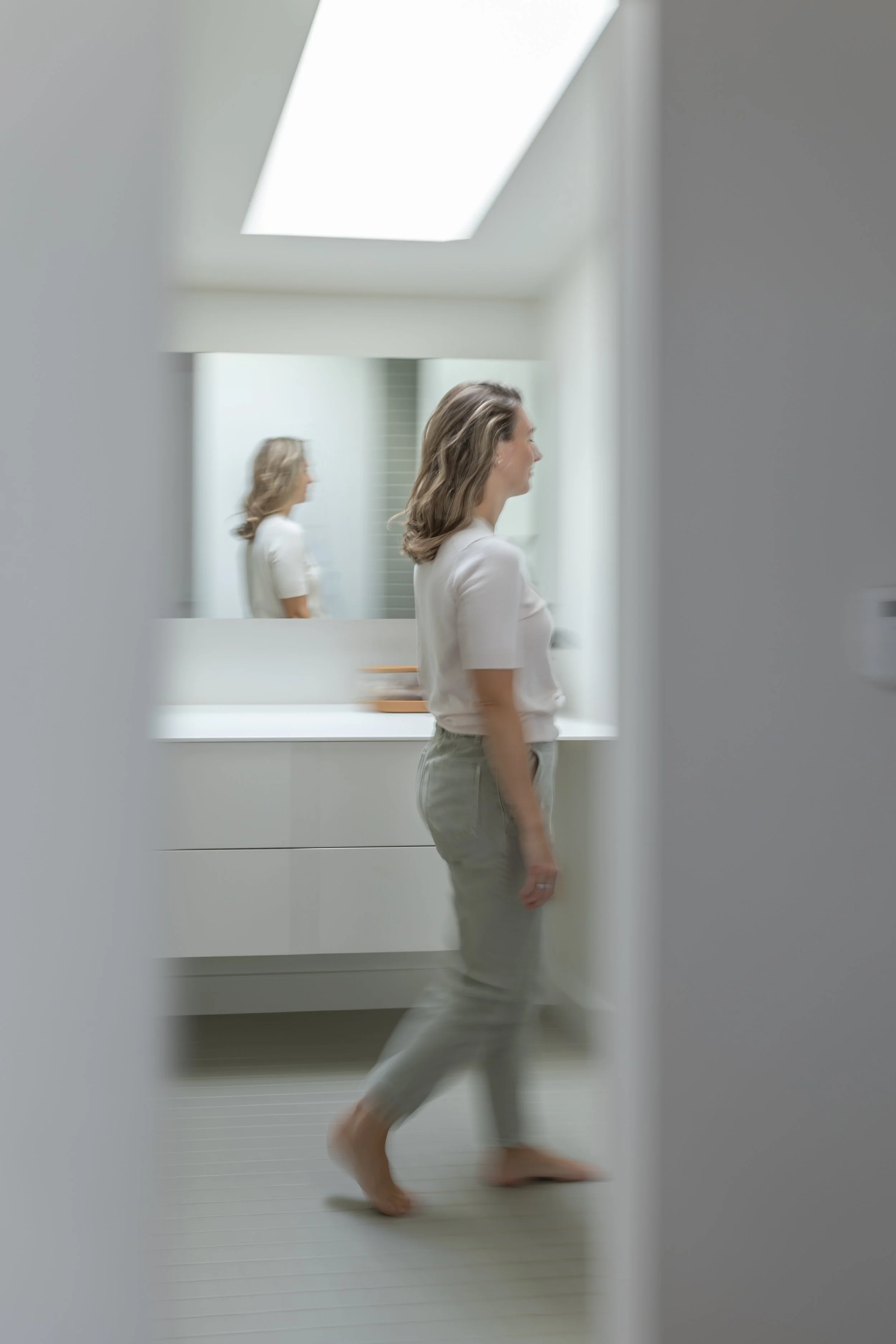
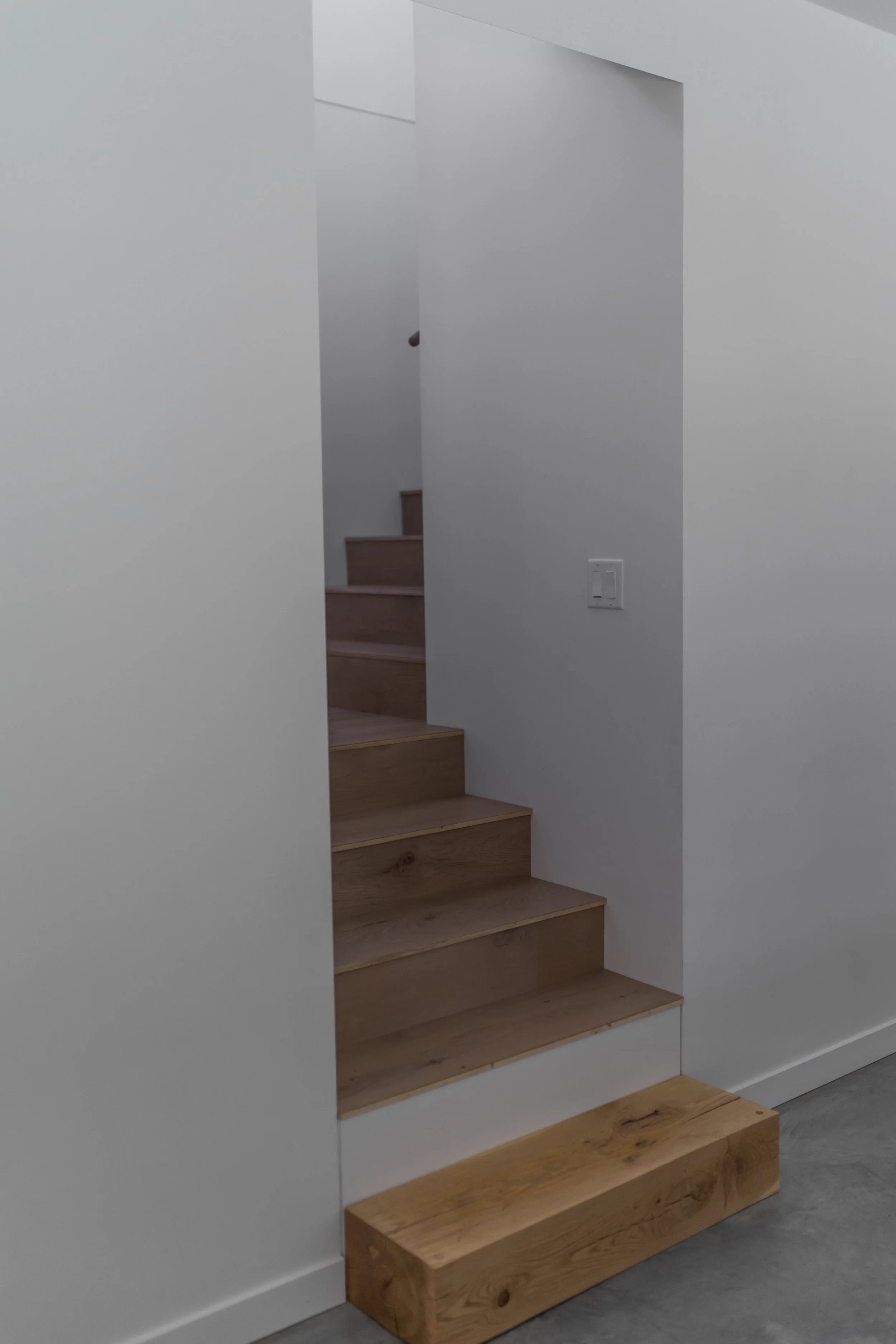
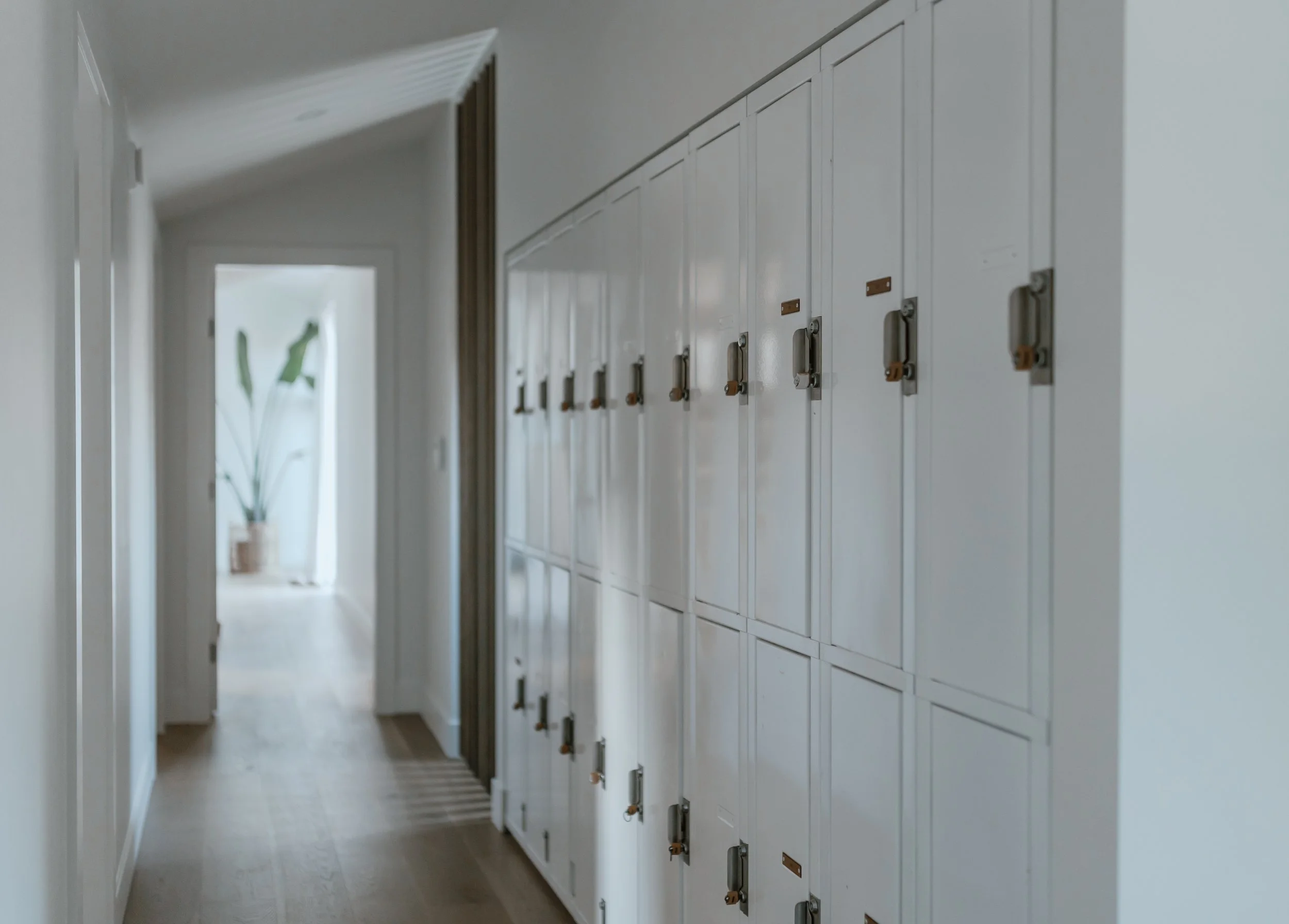
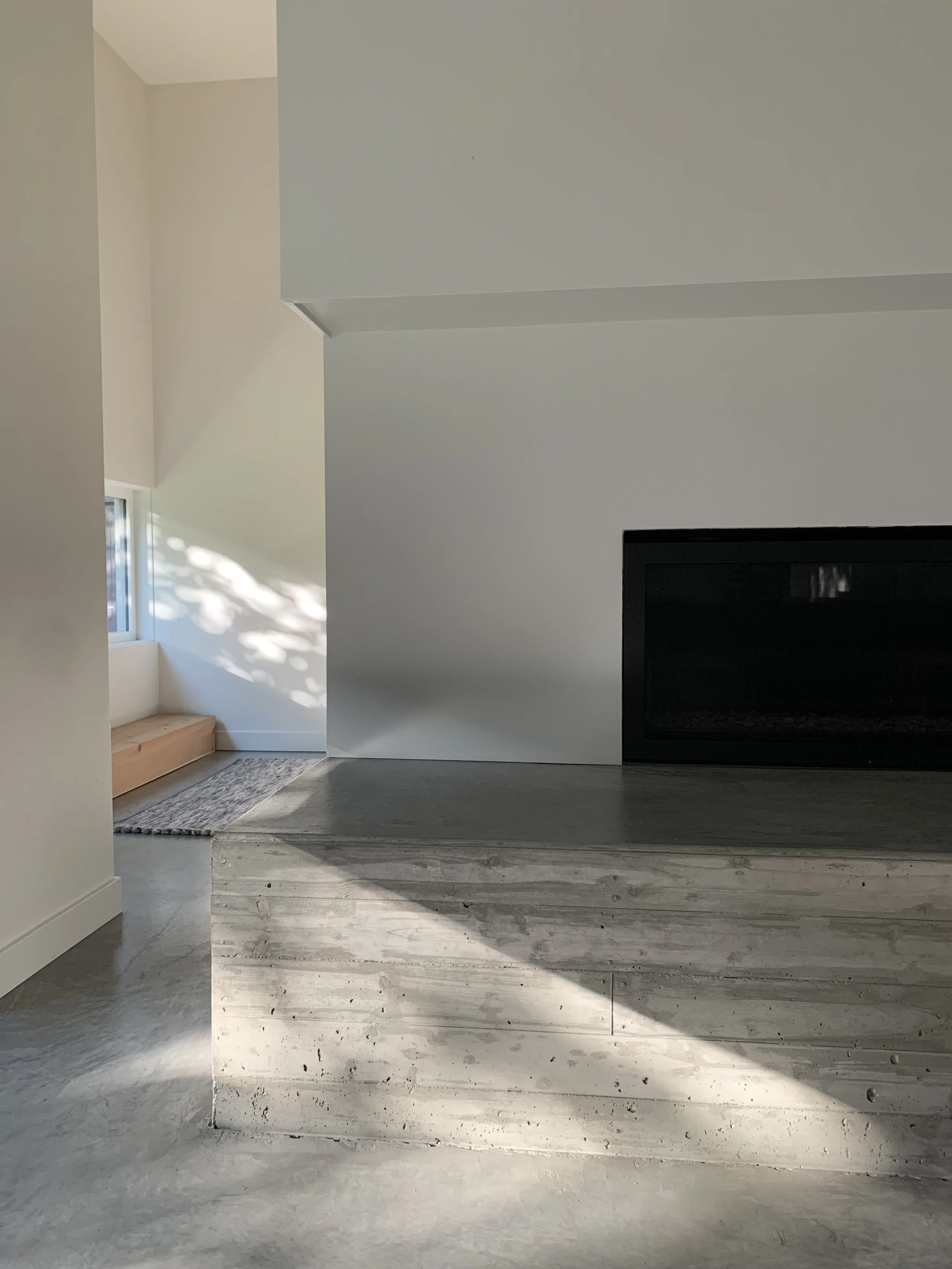
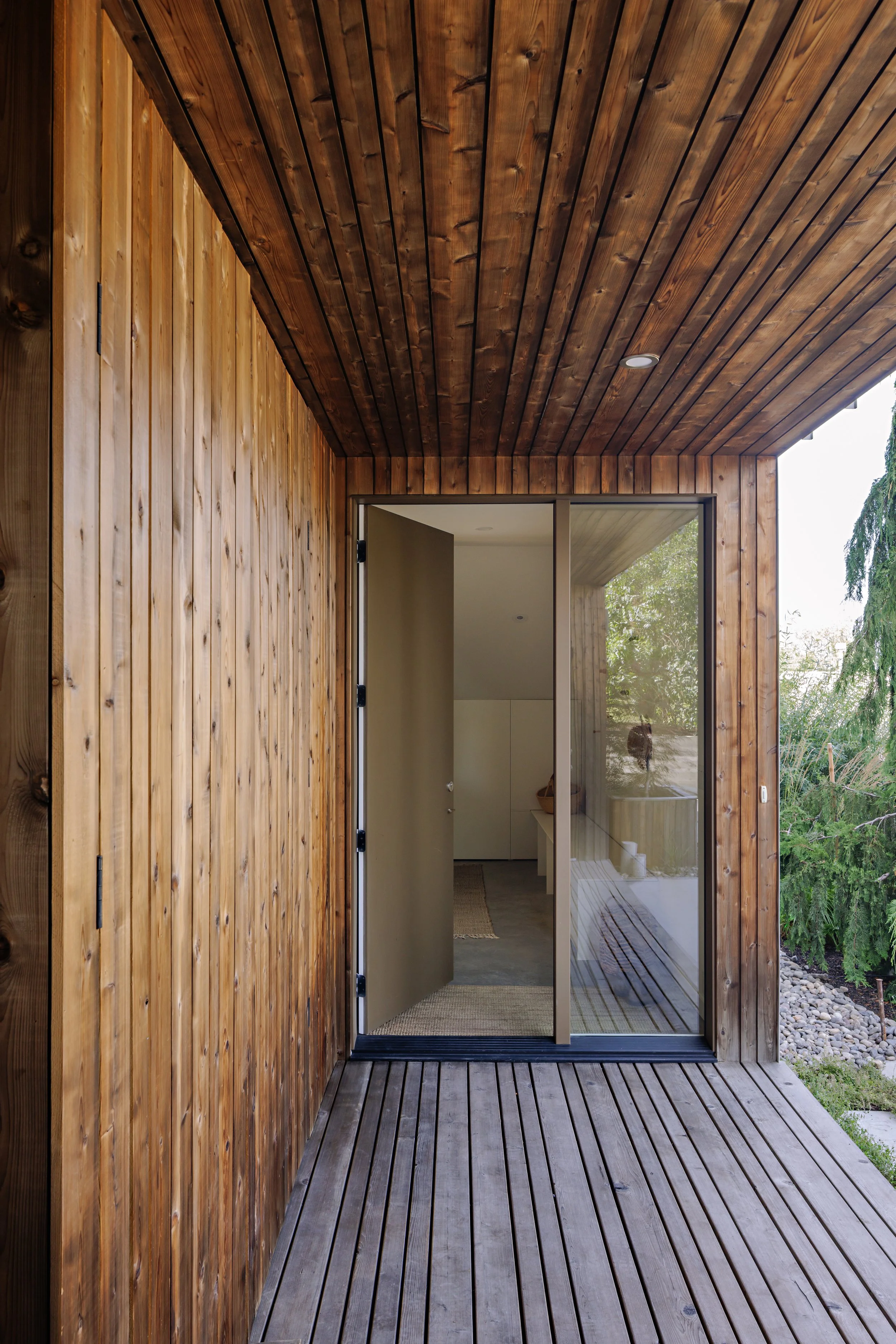
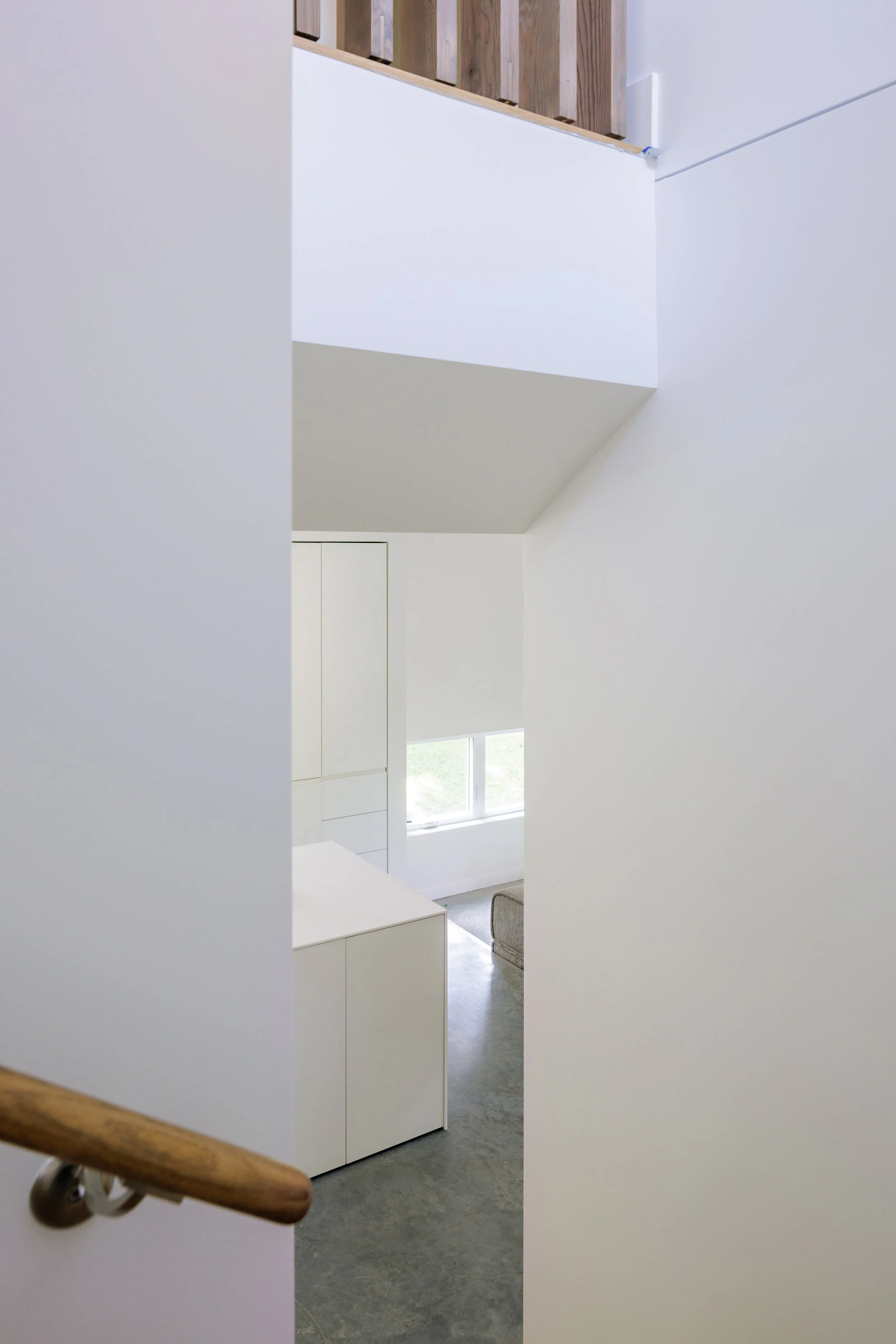
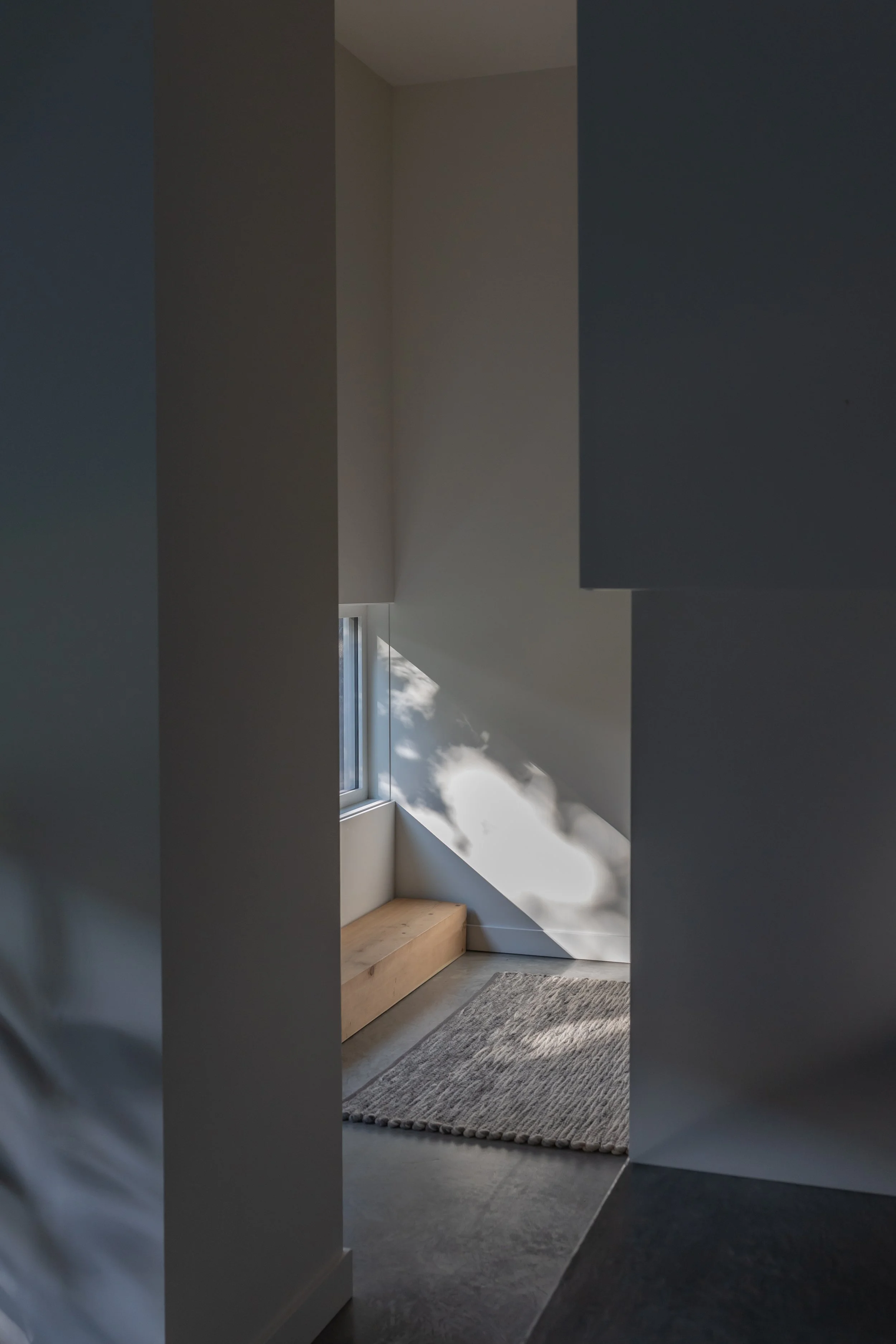
What Environmental Psychology Helps Us Understand
Environmental psychology gives language to this relationship between people and place.
It helps us understand how built environments influence behaviour, attention, comfort, stress, orientation, privacy, connection, and the nervous system.
At STUDIO309, this does not remain theoretical. It informs how we think about circulation, light, acoustic comfort, visual complexity, thresholds, enclosure, and the way a person moves from one condition to another.
The goal is not to over-explain a space. The goal is to understand what it is asking of the people inside it.
Designing Beyond Appearance
Most people experience space through the body before they understand it.
They know when a room feels calm, exposed, heavy, clear, disorienting, or unresolved, even if they cannot immediately explain why.
Our work begins at that level.
We consider the conditions that quietly shape how a space feels: how light enters, how the body moves, where the eye rests, where people feel open, protected, oriented, or unsettled.
Our surroundings are never neutral. They either support daily life or place quiet demands on the body and mind.
What Your Space Is Asking of You
Every environment makes quiet demands of the people within it.
A room with glare, visual noise, awkward circulation, constant exposure, or no place to pause requires the body to constantly work to orient, filter, and protect itself.
A well-considered space can do the opposite. It can make movement more legible, soften unnecessary sensory demand, offer moments of privacy and refuge, and support focus, rest, gathering, and connection without forcing any of them.
This does not mean spaces should be silent, empty, or controlled. It means they should recognize the different conditions people need across a day: openness and shelter, attention and rest, privacy and connection.
How This Shapes The Work
A well-designed space should not ask people to work harder than they need to.
It should help people orient, soften unnecessary stress, and move through daily life with greater ease.
At STUDIO309, this informs how we shape light, material, proportion, movement, enclosure, views, acoustics, and sensory experience. These are not isolated design choices. Together, they shape how a space feels, functions, and supports the people within it over time.
We evolved with nature. Our bodies still remember.
Why the body still responds to natural light, material, and rhythm, and how we design with it.
Shaping human experience.
A room can create tension or relief. It can support focus, connection, movement, restoration, or withdrawal.
These effects are not decorative. They are spatial, sensory, and physiological.
We do not begin with style, we begin with the human experience of the space.
Every project begins with a conversation.
STUDIO309 offers both Consultation and Full Scope Services, designed to meet you where you are at in your project